🇺🇸🇮🇷 U.S.–Iran Tensions Intensify as Diplomatic Efforts Raise Hopes for the Reopening of the Strait of Hormuz, Sending Global Oil Prices Lower U.S.–Iran Tensions and the Strait of Hormuz Continue to Shape Global Energy Markets
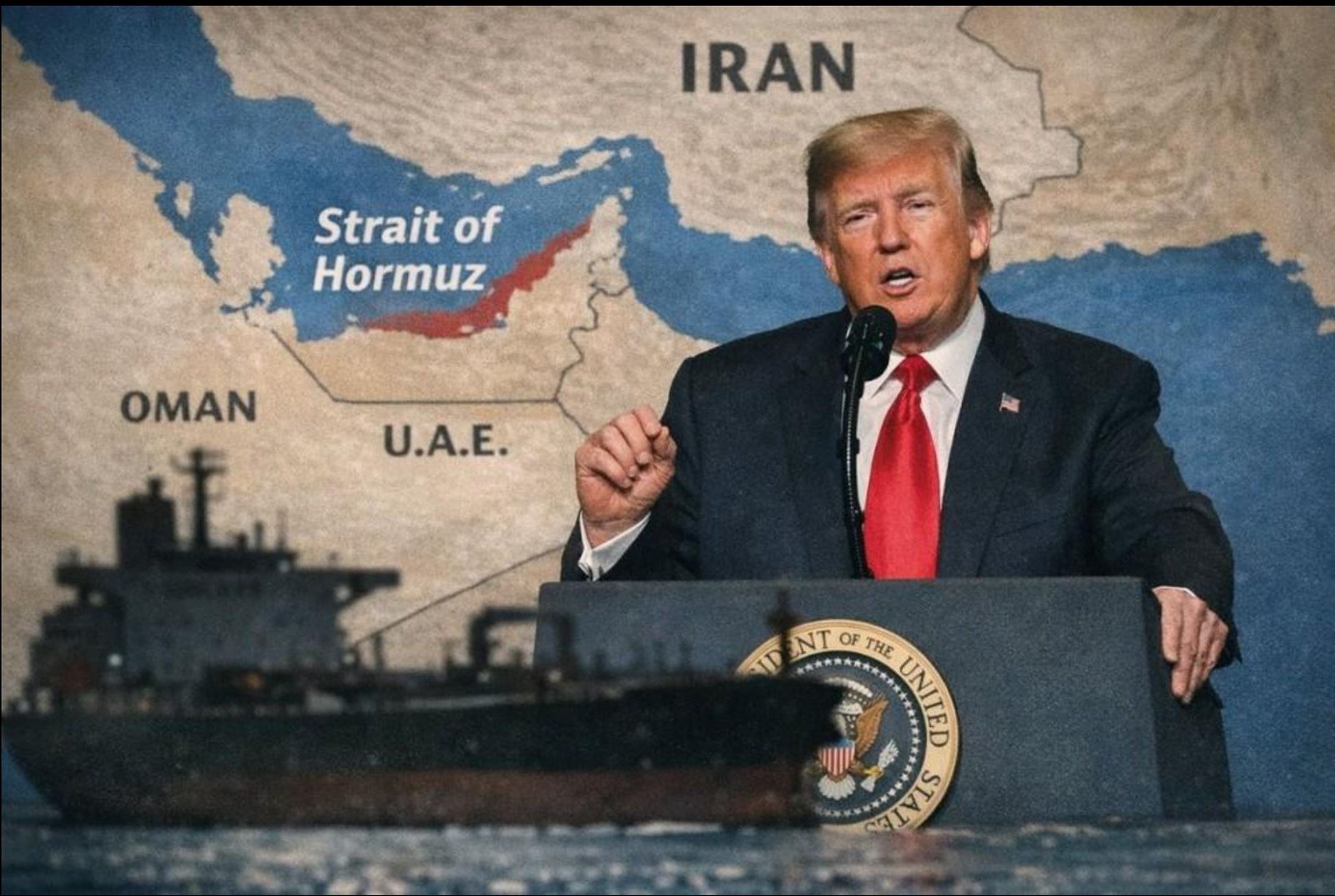
Tensions between the United States and Iran remain a major concern for global markets as diplomatic efforts focus on the future of the strategically important Strait of Hormuz. The waterway, located between Iran and Oman, is one of the world’s most important energy shipping routes, and disruptions there can quickly affect oil supplies, transportation costs and fuel prices around the world.
In recent days, Iran and Oman have held discussions about managing maritime traffic through the strait. The two countries have discussed the possibility of establishing a temporary maritime corridor and carrying out mine-clearance operations, raising hopes that commercial shipping could gradually resume. Oman’s foreign minister has expressed optimism that a temporary arrangement could be reached.
The possibility of reopening the waterway has already had a noticeable effect on global oil markets. On August 26, Brent crude fell more than $2 per barrel to around $85.85, while U.S. West Texas Intermediate crude declined to about $80.15. Both benchmarks reached their lowest levels in more than two weeks as investors reacted positively to the possibility of improved shipping conditions.
The Strait of Hormuz is particularly important because roughly one-fifth of global oil and liquefied natural gas shipments passed through the waterway before the current conflict disrupted traffic. Any prolonged interruption could therefore create shortages, increase transportation and insurance costs, and put upward pressure on energy prices in countries that depend heavily on imported oil and gas.
However, the situation remains uncertain. Although diplomatic negotiations have created optimism, commercial shipping through the strait remains significantly below normal levels. Shipping data showed that only a small number of commodity vessels transited the waterway recently, highlighting the continued risks faced by shipping companies and tanker operators.
The developments are also being closely watched by financial markets. Falling oil prices have helped improve investor sentiment, with global stock markets gaining as traders assessed the possibility of reduced energy-supply disruptions. However, investors remain cautious because any breakdown in negotiations or renewed military escalation could quickly push oil prices higher again.
For the United States, Iran and countries across the Gulf region, the future of the Strait of Hormuz has become both an economic and geopolitical issue. A successful agreement that allows commercial vessels to move safely through the waterway could ease pressure on global energy markets. On the other hand, continued restrictions could prolong uncertainty and keep energy prices vulnerable to sudden increases.
For now, markets are watching the Iran–Oman negotiations closely. The reopening of the Strait of Hormuz could become one of the most important developments for global oil prices, international trade and geopolitical stability in the coming weeks.
Leave a Reply