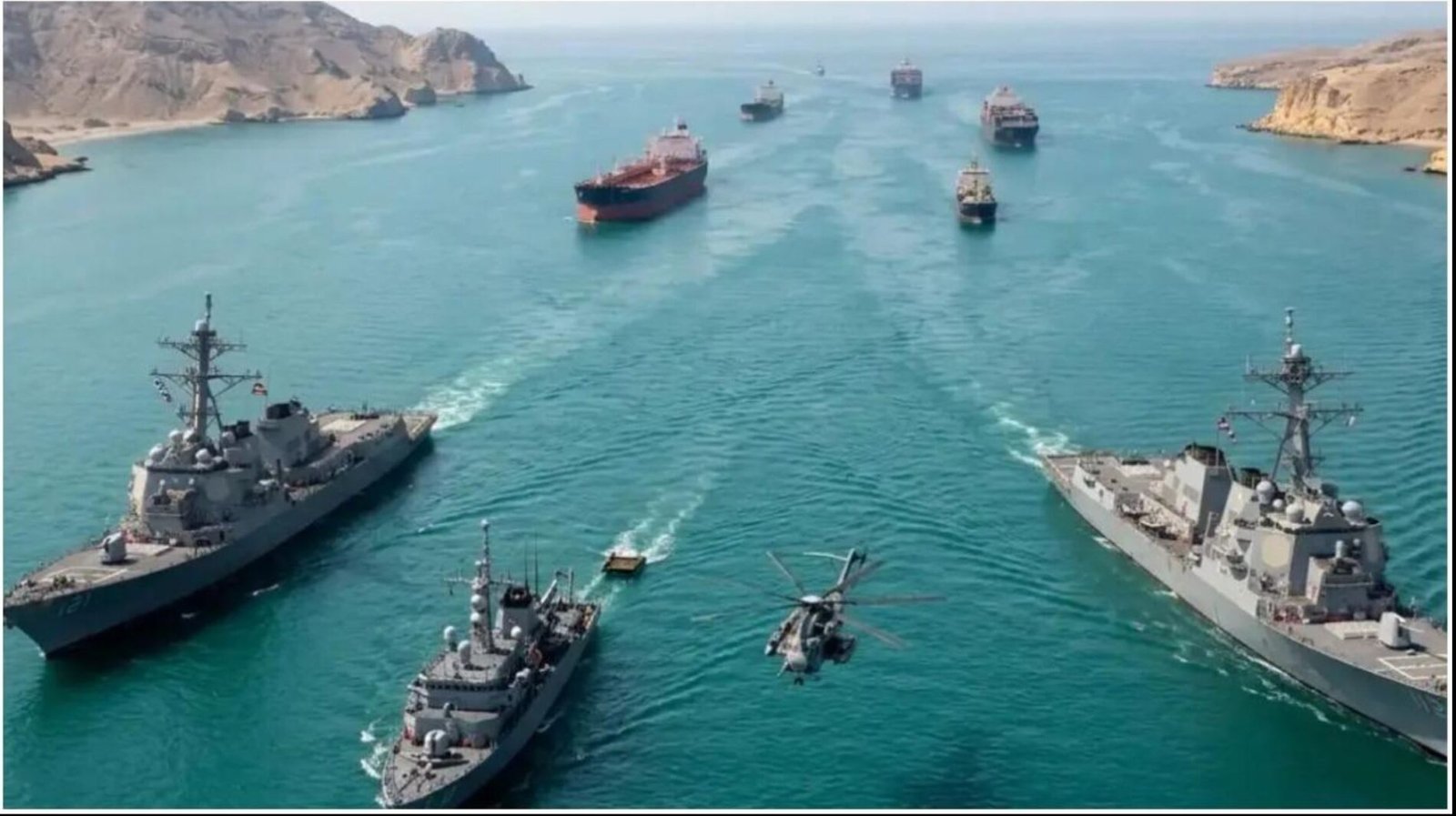
🇺🇸🇮🇷 U.S.–Iran Tensions Intensify as Diplomatic Efforts Focus on Reopening the Strait of Hormuz and Stabilizing Global Oil Markets
Strait of Hormuz Becomes the Center of Global Energy and Geopolitical Concerns
Tensions between the United States and Iran remain one of the most closely watched geopolitical developments in the world as international efforts intensify to restore normal shipping through the strategically vital Strait of Hormuz.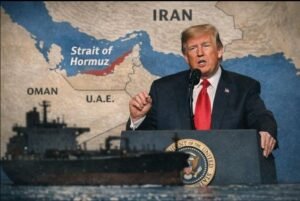
The narrow waterway between Iran and Oman is one of the world’s most important energy routes. Before the current conflict disrupted maritime traffic, approximately one-fifth of global oil supplies passed through the strait. As a result, any prolonged disruption can have consequences far beyond the Middle East, affecting oil prices, transportation costs, inflation and economic growth around the world.
Diplomatic Efforts Aim to Reopen the Waterway
On August 28, international diplomatic efforts have increasingly focused on reopening the Strait of Hormuz. Qatar and other regional countries are attempting to encourage dialogue between Tehran and Washington, while Iran has been preparing conditions for restoring more normal maritime traffic.
Iran has also indicated cooperation with Oman on a possible temporary shipping corridor. The initiative is intended to provide safer passage for commercial vessels while broader political disagreements between Iran and the United States remain unresolved.
However, the situation remains fragile. Shipping through the strait is still far below normal levels, with Reuters reporting that traffic has fallen to only around 5% to 15% of normal volumes. The United Nations has also reported dozens of maritime incidents since the conflict began, highlighting the continued risks facing commercial shipping.
Oil Markets Closely Watching Every Development
The uncertainty surrounding the Strait of Hormuz has had a direct impact on global oil markets. Oil prices have remained volatile as traders react to every sign of diplomatic progress or renewed confrontation.
On August 28, Brent crude was trading around $89.45 per barrel, while U.S. West Texas Intermediate crude was around $83.31 per barrel. Despite continuing geopolitical tensions, Brent was on track for a weekly decline of more than 5%, partly because investors saw renewed diplomatic activity as a potential path toward restoring energy supplies.
The market remains particularly sensitive because a full reopening of the waterway could allow more oil and gas shipments to reach international markets. On the other hand, a renewed military escalation could quickly send prices higher again.
Trump Says Oil Is Still Moving Through the Strait
U.S. President Donald Trump has said that millions of barrels of oil are continuing to pass through the Strait of Hormuz despite the ongoing crisis. However, international shipping data indicate that overall commercial traffic remains substantially below pre-conflict levels.
This difference highlights the complexity of the current situation. While some vessels are able to navigate the waterway, shipping companies continue to face security risks, uncertainty over insurance and concerns about possible military incidents.
Why the Strait of Hormuz Matters to the World
The importance of the Strait of Hormuz extends far beyond the Middle East. Major economies in Asia, Europe and other regions depend on energy supplies transported through the Persian Gulf.
Any prolonged disruption could increase the cost of crude oil, natural gas and fuel. Higher energy prices could then contribute to increased transportation and manufacturing costs, potentially adding pressure to inflation in countries around the world.
For Asian economies that rely heavily on imported energy, the situation is particularly important. A sustained reduction in oil shipments could affect everything from electricity generation and transportation to industrial production and consumer prices.
A Geopolitical Crisis With Global Economic Consequences
The Strait of Hormuz has therefore become more than a regional security issue. It is now a central part of the wider U.S.–Iran confrontation and an important factor for the global economy.
The United States has focused heavily on maritime security and preventing further disruption to international shipping, while Iran continues to demand changes in U.S. policy, including an end to economic pressure and sanctions. International mediators are attempting to find common ground between the two sides.
For financial markets, the biggest question is whether diplomacy can produce a durable arrangement that allows commercial shipping to return to normal.
What Happens Next?
The coming days could be critical. If Iran and regional mediators succeed in establishing a reliable shipping corridor, global oil markets could receive a significant boost and prices could face further downward pressure.
But if negotiations fail or military tensions increase again, the opposite could happen. A renewed disruption of the world’s most important energy chokepoints could push oil prices sharply higher and create new concerns about global inflation and economic growth.
For now, the Strait of Hormuz remains one of the most important geopolitical and economic pressure points in the world. Governments, energy companies, shipping firms and investors are all watching closely to see whether diplomacy can reopen the waterway and restore stability to global energy markets.
Leave a Reply